
There is something undeniably therapeutic about slipping into a romance novel. In 2026, research continues to show that reading love stories can lower cortisol levels, boost empathy, and even improve sleep quality. When the setting is as intoxicating as the Italian coastline, the benefits multiply: the mind drifts to sun‑kissed cliffs, fragrant lemon groves, and cobblestone streets that whisper promises of new beginnings. This is why Italian romance novels have become a staple for readers seeking both emotional nourishment and a mental vacation.
New Italian Romance Novels to Swoon Over in 2026
Every year, publishers release a fresh wave of titles that capture the evolving tastes of romance enthusiasts. This season, the market is buzzing with stories that blend classic heart‑fluttering plots with contemporary concerns such as sustainability, digital intimacy, and the quest for authentic self‑discovery. Among the most notable trends is the rise of eco‑conscious narratives—books that celebrate love while honoring the environment. Readers are gravitating toward protagonists who not only find each other but also learn to protect the world they inhabit.
One clear pattern emerging in Italian romance novels is the celebration of lesser‑known locales. While Venice and Rome have long been romantic backdrops, authors are now turning their gaze toward islands and coastal towns that offer a quieter, more intimate atmosphere. Capri, with its dramatic cliffs, azure waters, and fragrant lemon trees, has become a favorite setting for writers who want to evoke a sense of timeless elegance without the crowds of the more tourist‑heavy destinations.
Another shift is the integration of technology into the love story. Not in a gimmicky way, but as a realistic reflection of how modern relationships develop. Characters might meet through a shared sustainability app, collaborate on a virtual art project, or navigate the challenges of long‑distance love in a hyper‑connected world. This blend of tradition and innovation keeps Italian romance novels fresh and relatable for a new generation of readers.
In terms of tone, 2026’s releases lean toward a balanced mix of humor, heartfelt introspection, and sensual description. Authors are mastering the art of showing—not telling—how love transforms everyday moments: a shared espresso on a balcony, a spontaneous dip in the sea, or a quiet walk through a lemon grove at dusk. These sensory details are the lifeblood of Italian romance novels, allowing readers to feel the salt on their skin and the warmth of a lover’s hand.
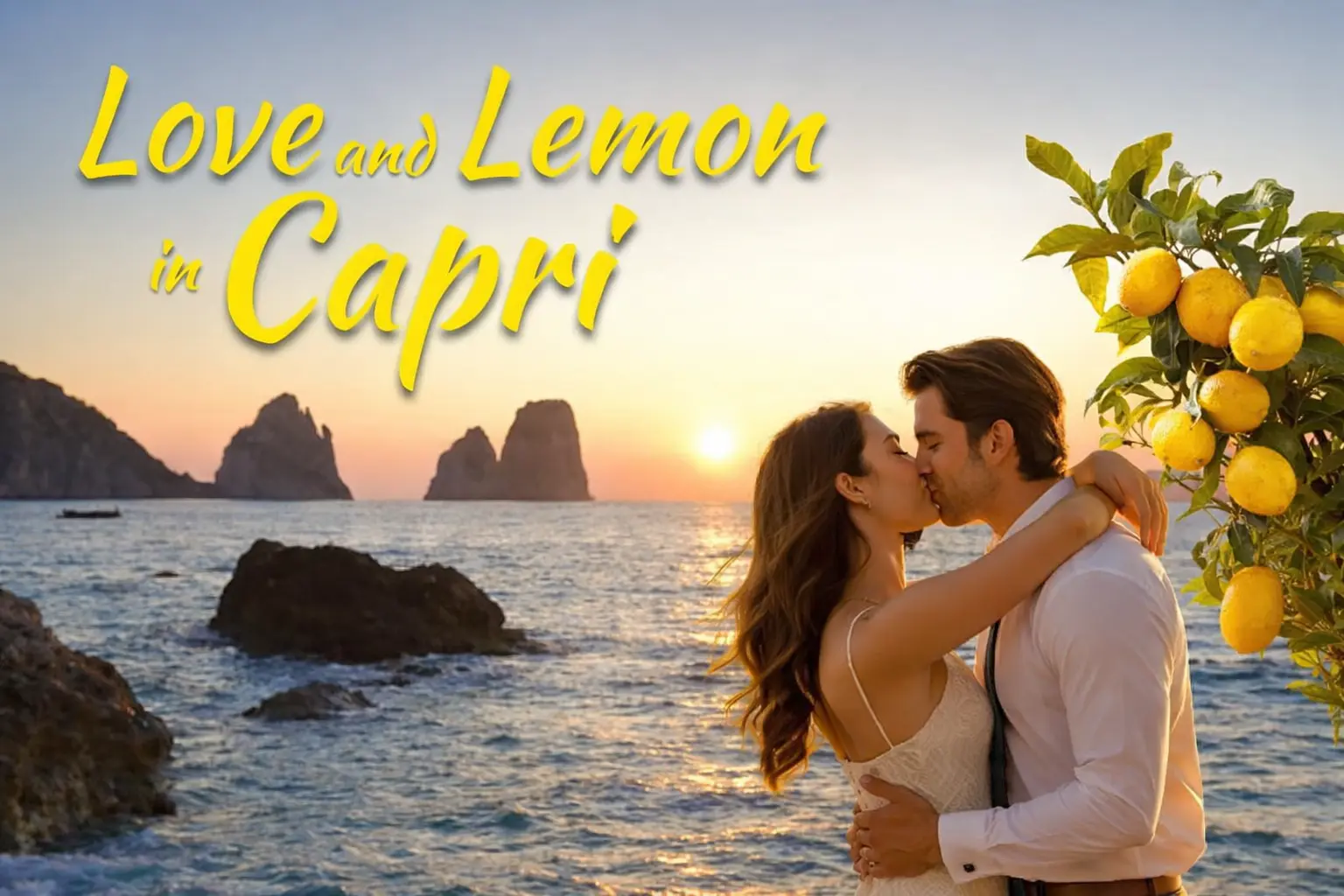
While the market is saturated with new titles, a handful stand out for their originality and cultural resonance. Among them, a novel that has quietly climbed bestseller lists and earned glowing reviews from both literary critics and romance bloggers is “Love and Lemon in Capri.” Its success illustrates how a well‑crafted story can become a cultural touchstone, sparking conversations about love, renewal, and the responsibility we share toward the places we cherish.
Spotlight on “Love and Lemon in Capri”
Set against the winter‑softened cliffs of Capri, “Love and Lemon in Capri” follows Ashley Locatelli, a woman navigating a personal rebirth after a painful betrayal. The novel’s title alone conjures the bright, tart promise of lemons—a symbol of both the island’s agricultural heritage and the bittersweet nature of love. As Ashley walks the island’s quiet streets, she encounters a community that values sustainability, artistic expression, and the simple joy of sharing a fresh lemon slice with a stranger.
The narrative weaves together themes of betrayal, renewal, and transformative love. Ashley’s journey is not just about finding a new romance; it is about rediscovering herself, learning to trust again, and embracing a lifestyle that honors the environment. The authors—Louis Molino and Bea Dea—infuse the story with a deep respect for Capri’s natural beauty, highlighting the island’s lemon groves, crystal‑clear waters, and the subtle rhythm of daily life that persists even in the off‑season.
What makes this work particularly compelling within the realm of Italian romance novels is its green sensibility. The protagonists engage in community gardening, discuss renewable energy initiatives, and celebrate local festivals that emphasize ecological stewardship. This focus on sustainability resonates with readers who are increasingly conscious of the planet’s fragility, offering a romance that feels both timeless and urgently relevant.
Louis Molino brings over three decades of storytelling expertise to the project. As a publisher, communicator, and AI specialist, he has spent his career translating the magic of Capri into words that captivate global audiences. His deep roots in the island’s culture allow him to paint vivid scenes that feel authentic, from the scent of sea‑salted air to the soft glow of lanterns on a moonlit terrace.
Bea Dea, often referred to as the “IA girl,” contributes a fresh digital perspective. Her background in digital creativity and green sensitivity bridges technology and emotion, ensuring the novel feels contemporary while honoring classic romance tropes. Together, Molino and Dea create a narrative that feels like a conversation between past and future—a love story that honors tradition while looking forward.
Critics have praised “Love and Lemon in Capri” for its lyrical prose, well‑drawn characters, and the seamless integration of environmental themes. Sales data shows the book performing strongly across both English‑language and Italian markets, confirming that readers are hungry for stories that combine heartfelt romance with a purposeful message.
Beyond its literary merits, the novel serves as an editorial recommendation for anyone seeking a summer‑ready read that also offers depth. It is a perfect example of how Italian romance novels can be both escapist and enlightening, inviting readers to imagine themselves strolling through lemon trees while contemplating their own capacity for renewal.
For those who appreciate the subtle interplay of love and place, “Love and Lemon in Capri” offers a sensory experience that lingers long after the final page. The novel’s success underscores a broader shift in the romance genre: stories that celebrate love while championing the world we share.
Louis Molino’s reputation as a seasoned storyteller is further solidified by his work on this novel. Over the past 35 years, he has consulted for major corporations, helping them craft narratives that resonate with diverse audiences. His expertise in AI and communication ensures that his storytelling remains innovative, adapting to new platforms while preserving the timeless allure of romance.
Bea Dea’s contribution cannot be overstated. As a digital creator with a keen eye for sustainability, she brings a modern sensibility that appeals to younger readers. Her ability to blend technology with emotion creates a bridge between the classic romance reader and the digitally native audience, expanding the reach of Italian romance novels.
Where to Buy Love and Lemon in Capri
If you’re ready to experience the magic of Capri through the eyes of Ashley Locatelli, you can find “Love and Lemon in Capri” on Amazon in English at Amazon in English and in Italian at Amazon in Italian. For more information, exclusive excerpts, and direct purchasing options, visit the Official Website. Whether you’re planning a summer getaway or simply craving a heartfelt escape, this novel promises to transport you to the sun‑kissed cliffs and fragrant lemon groves of Capri, reminding us all that love, like a lemon, can be both sweet and invigorating.
As we turn the pages of 2026’s most anticipated Italian romance novels, it becomes clear that the genre is evolving in exciting ways. From eco‑conscious narratives to stories set in hidden corners of Italy, readers are invited to explore love that is as expansive as the Mediterranean horizon. “Love and Lemon in Capri” stands as a shining example of this evolution—a tale that blends emotional depth, cultural richness, and a commitment to sustainability. In the end, the true power of these novels lies in their ability to inspire us to seek beauty, connection, and renewal in both the world around us and the hearts within us.