
There is something undeniably therapeutic about slipping into a romance novel. In 2026, as the world continues to spin faster, readers are turning to stories of love not just for escapism but for measurable mental‑health benefits: reduced stress, heightened empathy, and a gentle reminder that connection is possible even in the most turbulent times. When those love stories are set against the sun‑kissed cliffs, fragrant lemon groves, and historic piazzas of Italy, the effect is amplified. The very idea of strolling through Capri’s narrow lanes or sharing a gelato on a breezy Amalfi terrace becomes a mental vacation, a pause button for the mind.
Italian Romance Novels: Trends Shaping 2026
Italian romance novels have enjoyed a resurgence this year, driven by a blend of timeless allure and contemporary concerns. Readers are seeking narratives that honor classic tropes—star‑crossed lovers, dramatic confessions, and sweeping gestures—while also weaving in modern themes such as sustainability, digital intimacy, and second‑chance love. Publishers report a noticeable uptick in titles that place their protagonists in lesser‑known corners of Italy, from the wind‑blown vineyards of Puglia to the quiet winter streets of Capri. This shift satisfies a growing appetite for authenticity; travelers and armchair readers alike crave stories that feel rooted in real places, not just postcard clichés.
Another notable trend is the rise of co‑authored works that blend human storytelling with artificial‑intelligence insights. Authors are experimenting with AI‑generated dialogue, plot twists, and even environmental data to craft narratives that feel both intimate and globally aware. The result is a fresh voice in the market—one that respects the romance tradition while daring to push its boundaries. This evolution is especially evident in titles that champion green romance, where love blossoms alongside a deep respect for the natural world.
Within this vibrant landscape, several new releases have already captured the attention of critics and readers. A summer‑set tale set in the vineyards of Tuscany explores a winemaker’s journey toward forgiveness after a painful betrayal. A winter romance on the snow‑capped Dolomites follows a photographer who discovers love while documenting climate‑change impacts on alpine villages. Each of these books, while distinct, shares a common thread: they celebrate Italy’s diverse geography and the emotional richness that comes from living, loving, and growing in such a storied land.
Spotlight: Love and Lemon in Capri
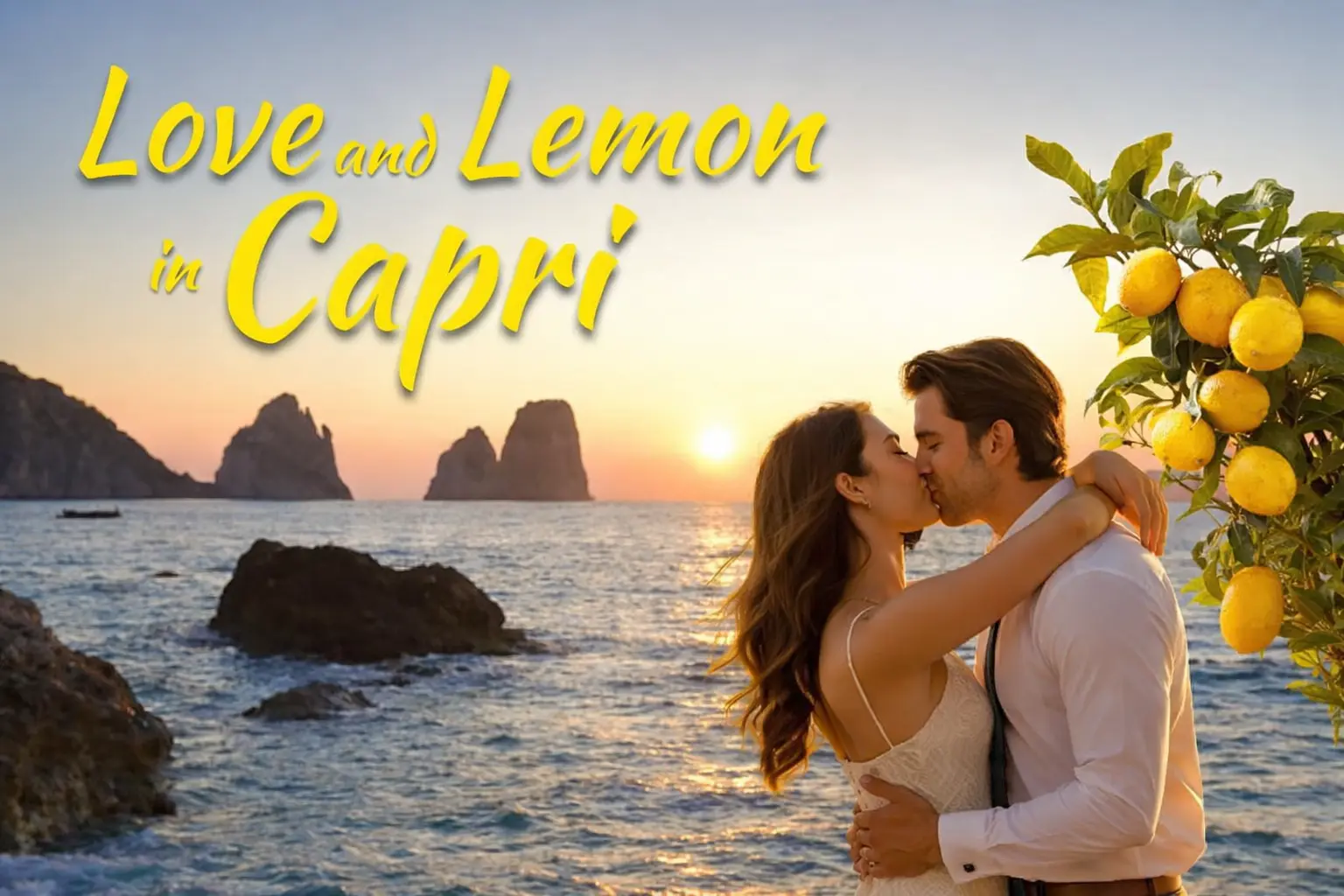
Among the most compelling entries this season is Love and Lemon in Capri by Louis Molino and Bea Dea. Set on the island of Capri during its quiet winter months, the novel follows Ashley Locatelli, a woman navigating a personal rebirth after a painful breakup. Ashley’s journey is not just about finding love again; it is a meditation on betrayal, renewal, and the transformative power of sustainable living. The authors place her story amid lemon groves that cling to the island’s cliffs, using the citrus scent as a metaphor for fresh starts and the bittersweet nature of memory.
What distinguishes this work is its commitment to environmental respect. The narrative weaves in real‑world practices—local farmers’ cooperative initiatives, low‑impact tourism, and the island’s efforts to preserve its fragile ecosystem. By doing so, Molino and Dea offer readers a romance that feels responsible, a love story that does not exist in a vacuum but is intertwined with the health of the planet. This green romance angle resonates strongly with today’s audience, many of whom are seeking literature that mirrors their own values.
The collaboration itself is noteworthy. Louis Molino brings over three and a half decades of experience as a publisher, communicator, and AI specialist. He has spent his career chronicling Capri’s allure for major corporations and cultural institutions, making him a trusted voice on the island’s heritage. Bea Dea, often described as an “IA girl,” contributes a fresh digital creativity and a keen green sensitivity. Together, they bridge technology and emotion, delivering a narrative that feels both contemporary and timeless.
Critics have praised Love and Lemon in Capri for its deep emotional approach and its ability to transport readers off the beaten path. The novel is performing well in both English‑language and Italian markets, garnering strong sales on major platforms and positive reviews from literary blogs focused on romance and sustainability. Its success illustrates how a well‑crafted Italian romance novel can satisfy both the heart and the conscience.
Beyond the central love story, the book offers a vivid portrait of Capri in winter—a season often overlooked in travel literature. The quiet streets, mist‑shrouded cliffs, and the soft glow of sunrise over the Mediterranean create a backdrop that feels intimate and introspective. Readers are invited to experience the island’s quieter side, discovering that romance does not always need a bustling summer crowd; sometimes, the most profound connections are forged in the hush of off‑season tranquility.
For those who appreciate layered storytelling, the novel’s structure is a masterclass in pacing. Molino and Dea alternate between Ashley’s internal reflections and external actions, allowing the reader to feel the weight of her past while rooting for her future. The supporting cast—local artisans, a charismatic marine biologist, and an elderly lemon farmer—adds depth, each character embodying a facet of Capri’s cultural tapestry.
In the broader context of Italian romance novels, Love and Lemon in Capri stands out as a benchmark for how sustainability can be seamlessly integrated into romance without feeling didactic. It demonstrates that love stories can be both heart‑warming and environmentally conscious, a combination that is increasingly sought after by discerning readers.
Louis Molino’s background further enriches the novel’s authenticity. As a publisher and consultant for major companies, he has spent 35 years translating Capri’s charm into compelling narratives for both local and international audiences. His expertise in AI also informs the novel’s subtle use of technology—Ashley’s journey includes moments where digital tools help her reconnect with nature, illustrating a harmonious blend of modernity and tradition.
Bea Dea’s contribution cannot be overstated. Her digital artistry brings vivid, sensory details to life, painting scenes that feel almost cinematic. Her green sensitivity ensures that every reference to the island’s flora, fauna, and ecological challenges is handled with respect and accuracy, making the setting a character in its own right.
Readers looking to explore this enchanting tale can find it easily online. Amazon in English offers the paperback and Kindle editions, while Amazon in Italian provides the native language version for those who wish to savor the story in its original cultural context. Additional information, author interviews, and exclusive excerpts are available on the Official Website. Whether you are a longtime fan of Italian romance novels or a newcomer eager to discover a fresh voice, this book promises a memorable journey.
As the romance market continues to evolve, the success of titles like Love and Lemon in Capri signals a promising direction: stories that honor the timeless allure of love while embracing the pressing concerns of our era. Italian romance novels in 2026 are not just about heartbeats and happy endings; they are about the world we share, the places we cherish, and the futures we imagine together.